Triple Lucky: The Real Reason Your Brain Goes Wild for 777
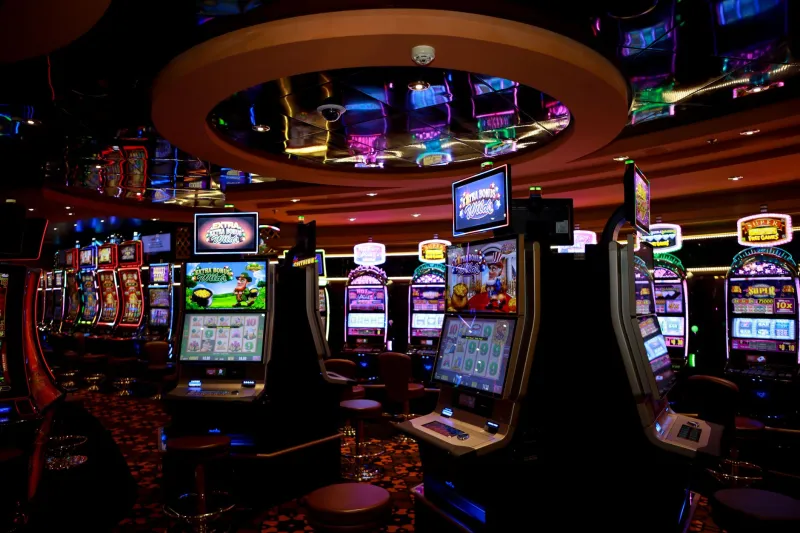
You've felt it. That split second when the first seven locks in, then the second, and suddenly your whole body tenses waiting for the third. Whether you're spinning on a classic one-armed bandit at a Vegas casino or tapping through a session on OkSlot777, the 777 combination carries a weight that no other symbol in gaming quite matches. But why? What is it about three identical digits that can make a grown adult hold their breath?
The answer lives somewhere between cultural history, brain chemistry, and some seriously smart game design.
Lucky Number Seven: A Cultural Legacy That Goes Way Back
Before we talk slot machines, we need to talk about the number seven itself. In American culture — and across most of the Western world — seven carries an almost mythological reputation for good fortune. Seven days in a week, seven deadly sins, seven wonders of the ancient world. In the Bible, seven represents completion and divine perfection. Las Vegas, the gambling capital of the world, practically built its identity on this digit.
By the time the first mechanical slot machines started popping up in saloons and back rooms in the early 1900s, the number seven already had serious cultural equity. When manufacturers started printing it on the reels, they weren't just picking a random symbol. They were borrowing centuries of meaning and attaching it to the jackpot position. Triple sevens became shorthand for "the best possible outcome" — and that association has never really faded.
Today, when you're playing a modern video slot at OkSlot777, that legacy is still doing psychological work on you, whether you realize it or not.
The Dopamine Loop: Why Your Brain Loves the Chase
Here's where neuroscience enters the chat. Every time you spin a slot machine, your brain is running a prediction process. It's scanning for patterns, anticipating outcomes, and — crucially — releasing small amounts of dopamine in the anticipation of a reward, not just when the reward actually arrives.
This is called the reward anticipation response, and it's the same mechanism that makes sports fans tense during a close game or makes you check your phone when you're expecting important news. The uncertainty is the hook. Your brain doesn't just reward you for winning; it rewards you for almost winning.
Game designers know this intimately. That's why many slots are engineered to show near-miss combinations — two sevens on the payline with a third just above or below — more frequently than pure chance would suggest. Studies in behavioral psychology have shown that near-misses create the same neurological arousal as actual wins in some players. The brain interprets "so close" as meaningful information, a signal that a win must be right around the corner. Spoiler: probability doesn't work that way. But your dopamine system doesn't care.
Sound, Color, and the Sensory Engineering of Excitement
Game developers don't leave anything to chance when it comes to how 777 feels to land. The visual design of triple-seven moments is deliberate and meticulous. Gold and red color schemes dominate for good reason — red triggers arousal and urgency, while gold communicates value and reward. When those three sevens finally align, the screen typically explodes with both.
The sound design is equally calculated. The ascending chime sequence that plays as each seven locks in creates what audio psychologists call a "tension arc" — a rising pattern that your brain automatically assigns emotional significance to. When the third seven drops and the win jingle fires, the resolution of that tension feels genuinely satisfying, even if the payout is modest.
At OkSlot777, you'll notice that even across different game titles and themes, the core sensory language around big wins — and especially 777 combinations — follows these same patterns. That consistency isn't accidental. It's how players across games learn to associate specific sounds and visuals with positive outcomes.
The Identity of the "Lucky Player"
There's also a social psychology angle worth exploring. In American gaming culture, catching a 777 is a bragging-rights moment. It's shareable. It's a story. "I hit triple sevens" carries a kind of narrative weight that "I matched five low-value symbols on a scatter line" simply doesn't.
Game developers understand that players don't just want wins — they want meaningful wins. The 777 delivers that meaning automatically because of its cultural pre-loading. When you hit it, you're not just winning credits; you're stepping into a story that millions of players have told before you. That feeling of participating in something bigger than a single spin is a powerful psychological reward in itself.
What This Means for You as a Player
Understanding the psychology behind 777 doesn't make the excitement go away — and it doesn't have to. Knowing why your brain lights up during those moments can actually make the experience richer. You're not just reacting; you're participating in a carefully crafted entertainment experience.
What it can do is help you stay grounded. When the near-miss shows two sevens and your gut says "one more spin," you now know that feeling is a psychological response, not a statistical signal. The reels have no memory. Each spin is independent.
Spin for the thrill. Enjoy the moment when those three sevens line up and the screen goes gold. Just know that the real jackpot is understanding the game you're playing — and that's knowledge you've already won.