Why Your Brain Keeps Saying 'One More': The Hidden Science of Slot Machine Hooks
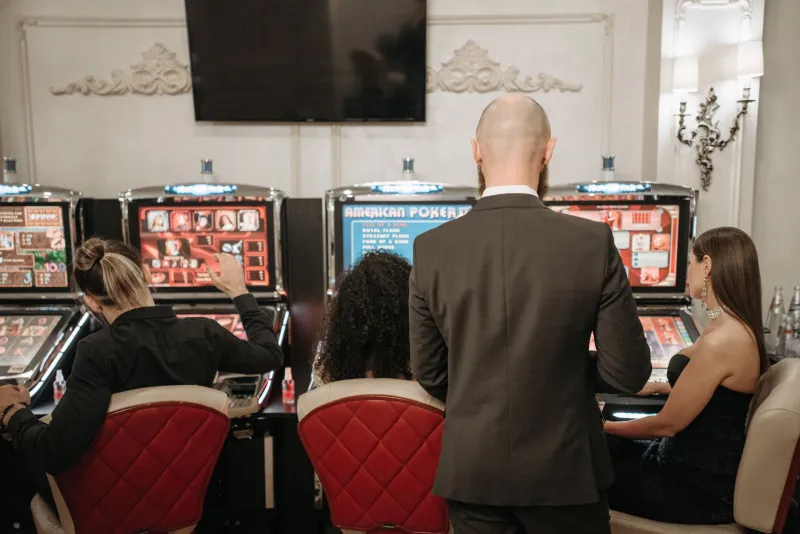
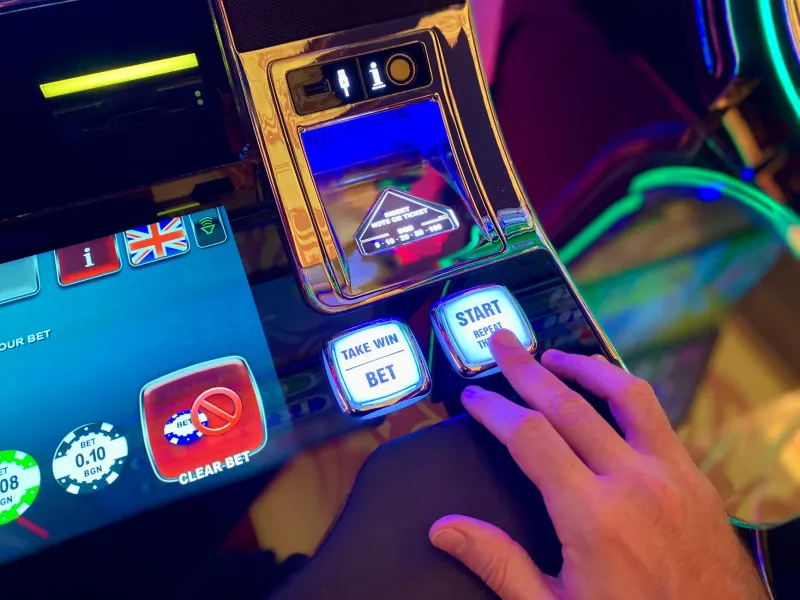
You told yourself you'd stop after ten spins. Then twenty. Now you're somewhere past fifty, and that little voice in your head is still whispering just one more. Sound familiar? You're not weak-willed — you're human. And slot machines, whether you're pulling a lever in Vegas or tapping a screen from your couch, are engineered with stunning precision to speak directly to the most primal parts of your brain.
At OkSlot777, we believe that understanding why slots feel the way they do makes you a more confident, more in-control player. So let's pull back the curtain on the behavioral science that powers every spin.
The Dopamine Loop: Your Brain on the Reel
Here's the core truth: your brain doesn't reward you for winning — it rewards you for anticipating a win. The moment you hit that spin button, your brain floods with dopamine, the same chemical tied to excitement, motivation, and pleasure. This surge happens before the reels even stop. The outcome almost doesn't matter.
Neuroscientists call this the anticipatory reward response, and it's the same mechanism that makes checking your phone addictive or biting your nails when a sports game goes to overtime. Casinos — and by extension, online slot developers — have spent decades studying this loop and building games that maximize it. Fast spin speeds, vivid animations, and celebratory sound effects on even tiny wins all serve to keep that dopamine drip flowing.
The result? Your brain starts associating the act of spinning with pleasure, independent of whether you're actually up or down on the session.
The Near-Miss Effect: Almost Counts in Slots
One of the most studied phenomena in gambling psychology is the near-miss. You spin, and two jackpot symbols land in perfect position — only for the third to stop one agonizing notch short. Logically, that's a loss. Psychologically? Your brain processes it almost identically to a win.
Research published in behavioral science journals consistently shows that near-misses activate the same reward circuits as actual wins, triggering a surge of motivation to keep playing. Game designers know this. Modern slots are built to produce near-misses at a higher rate than pure random chance would generate — it's not cheating, it's engineering. The reels are weighted so that high-value symbols appear just above or below the payline more often than they'd appear on it.
Every time that third symbol stops one click too late, your brain doesn't say I lost. It says I almost had it — try again.
Variable Reward Schedules: The Slot Machine's Secret Weapon
If slots paid out on a predictable schedule — say, every 20th spin — they'd be boring. You'd spin 19 times, collect your reward, and feel satisfied. The reason slots are so compelling is that they operate on what psychologists call a variable ratio reinforcement schedule. Wins come randomly, unpredictably, and sometimes in clusters.
This is the same psychological principle that makes social media feeds impossible to put down. You don't know if the next scroll will show something exciting — but it might. That uncertainty is more motivating than guaranteed rewards. Behavioral psychologist B.F. Skinner demonstrated this with pigeons in the 1950s, and the slot machine industry essentially industrialized his findings.
The unpredictability isn't a bug. It's the entire design.
Losses Disguised as Wins: The Sneaky Trick You Might Not Notice
Here's one that trips up even experienced players. You bet $1 per spin. You hit a combination that pays out 30 cents. The machine erupts in lights and sound — a full celebration sequence. But you just lost 70 cents.
These "losses disguised as wins" (LDWs) are common in multi-line slot games and are specifically designed to trigger the same emotional response as a genuine win. Studies show that players' heart rates spike during LDWs almost as much as during real wins. Over a long session, these micro-celebrations can significantly distort your sense of how the session is going, making losses feel like progress.
Knowing this exists is genuinely useful. Next time the machine celebrates, check the actual payout against your bet size before you get swept up in the moment.
Recognizing When Fun Tips Into Something Else
None of this is meant to make slots sound sinister. These are fun, exciting games, and millions of Americans enjoy them as casual entertainment every week. The goal here isn't to scare you off — it's to make sure you stay in the driver's seat.
Here are some honest signals worth paying attention to:
- Chasing losses: If you find yourself increasing bets to "win back" what you've lost, that's your brain's loss-aversion instinct taking the wheel. It rarely ends well.
- Losing track of time: Slots are designed to create a kind of flow state. Glancing at the clock and realizing two hours have passed when it felt like twenty minutes is a real sign to take a break.
- Playing with money you can't afford: Entertainment budgets are healthy. Dipping into rent money is not. If the line between those two is getting blurry, step back.
- Feeling irritable when you stop: Enjoyment should end when you decide it ends — not when the game finally lets you go.
Practical Moves That Actually Help
Understanding the psychology is step one. Here's how to use that knowledge in real time:
Set a hard session limit before you start. Decide on a dollar amount and a time limit while your head is clear. Write it down if you have to. Pre-commitment is one of the most effective tools behavioral economists have identified for managing impulse-driven decisions.
Use the clock as a tool. Set a phone timer for 30-minute intervals. When it goes off, take a genuine pause — stand up, get some water, assess where you are. The physical interruption breaks the flow state and gives your rational brain a chance to check in.
Treat every session as its own thing. Your wins and losses from last Tuesday are irrelevant to tonight's session. The idea that you're "owed" a win after a bad run — called the gambler's fallacy — is a trick your brain plays on you. Each spin is independent.
Celebrate walking away up. Whatever the amount, leaving with more than you started is a win. Train yourself to feel good about it, rather than wondering what might have happened with ten more spins.
Play Smart, Play Happy
Slots are genuinely entertaining — the flashing lights, the sound design, the anticipation of a big combo landing just right. That's real fun, and there's nothing wrong with chasing it. The players who enjoy slots the most over the long run are the ones who understand the game they're actually playing: not just the one on the screen, but the one happening inside their own heads.
Know the tricks. Set your limits. And when that little voice says just one more — smile, because now you know exactly where it's coming from.