Seven Isn't Magic: What's Really Pulling the Lever on Your Slot Outcomes
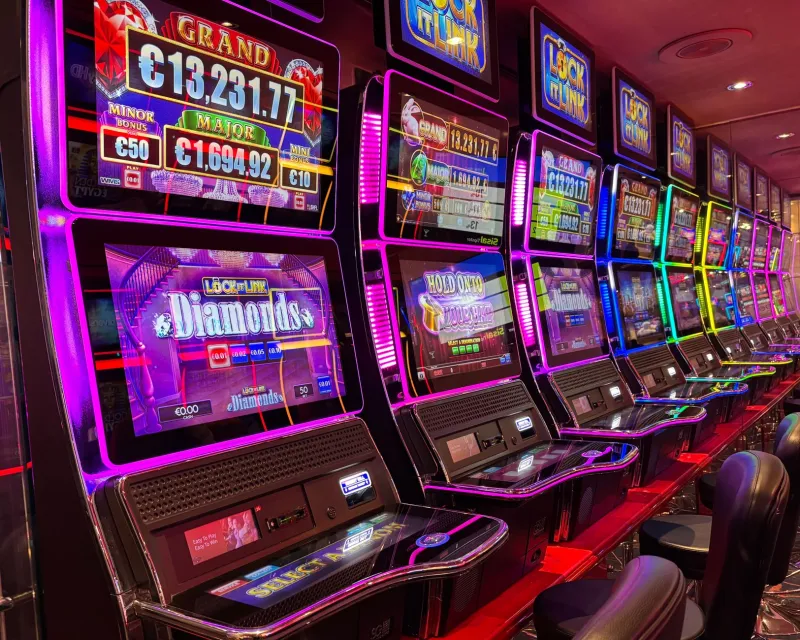
Walk into any casino from Atlantic City to Vegas, scroll through any online slot lobby, and one number dominates the landscape: 7. It shows up on machine faces, in game titles, in casino branding — and yeah, right here in our own name. There's something about that digit that feels almost magnetic to American players. But here's the thing: the number 7 doesn't actually know you're spinning. It has no opinion on your bankroll. And once you understand what's genuinely running the show under the hood of every slot machine, you'll approach the game with a whole lot more confidence — and maybe a little less superstition.
Where Did the 7 Obsession Even Come From?
The lucky-number-seven mythology runs deep in American culture, long before slot machines were even a thing. Biblical references, folklore, sports jersey numbers, lottery picks — seven has been coded as "fortunate" across generations and traditions. When early mechanical slot machines started rolling out in bars and saloons during the late 1800s and early 1900s, the designers leaned hard into existing cultural shorthand. Cherries, bars, bells — and sevens.
The Bell Fruit Gum Company (yes, really) helped popularize fruit symbols as payouts, and by the mid-20th century, the triple-seven had become the gold standard symbol for a jackpot. It wasn't because of any mathematical property of the number — it was pure branding. Seven felt lucky to American players, so casinos made it the big prize symbol. The number earned its reputation by association, not by any inherent power.
Fast-forward to today, and online slots have inherited all of that cultural baggage. When OkSlot777 named itself after those three digits, it wasn't claiming the number has mystical powers — it was speaking the same visual language that slot players have recognized for over a century. It's a symbol of the jackpot dream. Nothing more, nothing less.
The Superstition Loop That Keeps Players Hooked
Here's where it gets psychologically interesting. Players who've hit a good win on a 777-themed machine often develop a kind of loyalty to that game. They remember the win, they associate it with the theme, and they come back expecting more of the same. That's a classic example of confirmation bias — our brains are wired to remember hits and quietly forget misses.
The same thing happens with "hot" and "cold" machines. If you've ever heard someone at a casino say a machine is "due" for a payout because it hasn't hit in a while, that's the gambler's fallacy in action. Each spin is statistically independent. The machine doesn't carry a debt from previous rounds. Whether you're playing a retro 777 classic or a five-reel video slot, the outcome of your next spin has zero relationship to what happened on the last fifty.
None of this means the games aren't fun — they absolutely are. But understanding the psychology behind why we chase certain symbols helps you enjoy the game on your own terms rather than being driven by myths.
So What Actually Decides Whether You Win?
Glad you asked. There are three core concepts every slot player in the US should have in their back pocket.
Return to Player (RTP)
RTP is the percentage of all wagered money a slot is designed to pay back over a massive number of spins. A game with a 96% RTP will theoretically return $96 for every $100 wagered — but that's calculated across millions of spins, not your Tuesday night session. A higher RTP is generally better for players, and most reputable online slots sit somewhere between 94% and 97%. When you're choosing between two games, RTP is one of the most useful numbers to compare.
Random Number Generator (RNG)
Every modern slot — online or land-based — is powered by a Random Number Generator. This is a software algorithm that produces thousands of random number sequences per second, even when nobody's playing. The moment you hit spin, the RNG locks in a result. That result determines which symbols land on the reels. It's not influenced by your previous spins, the time of day, how long you've been playing, or whether you're betting max coins. It's genuinely random, and it's audited by independent testing labs to make sure it stays that way.
This is actually good news for players. It means the games are fair, and no amount of ritual — tapping the screen, waiting for a specific moment to spin, or sticking to "lucky" machines — changes the outcome.
Volatility (Variance)
Volatility describes the risk profile of a slot. Low-volatility games pay out smaller amounts more frequently, which means your bankroll tends to last longer and the ride is steadier. High-volatility slots are more feast-or-famine — you might go a long stretch without a meaningful payout, but when it hits, it can hit big. Medium volatility sits in between.
Choosing the right volatility for your style of play matters way more than picking a machine with a lucky theme. If you're playing for a longer session on a modest budget, a low-volatility game is your friend. If you're comfortable with variance and have your eye on a big payday, high-volatility titles are built for that chase.
Does Theme Actually Matter At All?
Theme matters for your entertainment experience — and that's not nothing. If you love the retro vibe of classic 777 slots, the simple three-reel format and familiar symbols can make the session genuinely enjoyable. If you'd rather be immersed in a cinematic adventure slot with bonus rounds and animated cutscenes, that's a completely valid preference.
But from a pure odds perspective? The theme is cosmetic. What matters is the RTP, the RNG certification, the volatility profile, and the specific bonus mechanics built into the game. A flashy 777 slot with a 93% RTP is a worse mathematical bet than a plain-looking game with a 96.5% RTP, even if the lucky numbers feel more appealing.
Play Smart, Play Informed
None of this is meant to take the fun out of the game — quite the opposite. When you understand what's actually happening inside a slot machine, you stop chasing ghosts and start making choices that actually align with how you want to play. You pick games based on RTP and volatility rather than vibes. You set a budget that fits your session goals. You enjoy the wins for what they are — random good luck — without convincing yourself you've cracked some code.
Seven is a great number. It's got a great history in American gambling culture, and yeah, we're a little partial to it around here. But the next time you sit down to spin, remember: the lucky number isn't 7. The lucky number is whatever RTP percentage is sitting in the game's info screen.
Know your games. Play your budget. And spin smart.